Advanced facial surgery and structural facial rejuvenation in Franklin, TN, serving Nashville, Brentwood, Cool Springs, and Middle Tennessee. At RG Aesthetic Plastic Surgery, facial planning is organized around reposition, restore, and refine so results look natural, balanced, and anatomically coherent rather than overfilled or trend-driven.

Facial rejuvenation should be approached as an architectural problem, not a volume-only problem. Skin quality, structural descent, volume depletion, eyelid transition, jawline definition, and neck angle each play a role in how the face ages and how naturally it can be restored.
Structural descent is not solved by piling on filler. In many patients, the deeper issue is support and position, which is why surgical reposition remains essential in the right anatomy.
Fat grafting and selective hyaluronic acid should support contour and transition zones rather than create artificial fullness disconnected from the face.
Neck angle, under-eye hollowing, lower lid support, chin-neck transition, and jawline continuity often determine whether a result feels polished and harmonious.
The goal is not a “done” look. It is a face that appears rested, supported, balanced, and consistent with the patient’s anatomy and stage of life.
Facial concerns often sound simple—“I look tired,” “my jawline is fading,” “my neck bothers me”—but the correct solution depends on what layer is actually driving the change.
For patients dealing with upper lid heaviness, lower lid fullness, under-eye changes, or an eye-cheek transition that makes the face look fatigued.
Explore Blepharoplasty → Structural RepositionFor patients whose deeper support has shifted, leading to midface descent, jowls, softened jawline definition, and lower face heaviness.
Explore Deep Plane Facelift → Neck + ChinFor patients whose concern centers on neck fullness, platysmal banding, submental contour, or loss of a cleaner chin-neck angle.
Explore Neck Architecture → Volume RestorationFor patients who need midface support, under-eye transition improvement, or facial softening restored without an overfilled look.
Explore Facial Fat Grafting → Lower Face RefinementFor patients interested in the lower face and neck architecture pathway that may include chin liposuction, buccal fat removal, and Renuvion-based refinement.
Explore RG Triple Threat → Non-Surgical OptionFor patients considering structural filler, neuromodulation, RF remodeling, or non-surgical rhinoplasty as an earlier-stage or adjunctive pathway.
Explore Non-Surgical Options →Strong facial rejuvenation comes from understanding what changed, where it changed, and what level of intervention is actually appropriate. This system helps organize those decisions with more clarity.
Bone support, skin behavior, volume loss, neck contour, eyelid transition, asymmetry, and facial proportion are assessed first.
The plan distinguishes what is driven by descent, deflation, skin quality, muscular change, or combinations of those layers.
Deep plane and structural surgical techniques are considered when support and facial position are the primary issue.
Fat grafting or carefully selected filler can then support transition zones and contour where volume truly belongs.
Final refinements may include eyelid surgery, neck contour work, skin remodeling, neuromodulation, or non-surgical adjuncts.
Each procedure addresses a different architectural layer. The face hub introduces the framework, while the deeper pages can focus on candidacy, mechanics, and recovery.
A structural repositioning procedure for patients whose support has shifted, affecting the midface, lower face, jawline, and jowl region.
Explore → EyesRefines upper and lower eyelid architecture for patients with heaviness, puffiness, hollowing, or eye-cheek transition concerns.
Explore → NeckFocuses on jawline continuity, submental contour, platysmal support, and a more defined chin-neck angle.
Explore → RestoreRebuilds strategic volume in transition zones and support areas without relying on a generalized filler-first approach.
Explore → Lower FaceA lower face and neck contour pathway combining targeted structural refinement for a sharper, cleaner profile when appropriate.
Explore → AdjunctiveA non-surgical structural filler option for selected patients seeking nasal contour refinement without formal surgery.
Explore →One of the most important mistakes in facial aesthetics is applying the wrong solution to the wrong layer. This framework helps separate skin concerns from volume issues, support loss, and deeper structural descent.
Texture, pigment, laxity, and surface quality may respond to lasers, resurfacing, RF remodeling, and regenerative skin-focused treatments.
Hollowing and transition deficits may benefit from selective fat grafting or carefully placed hyaluronic acid in appropriate candidates.
Eyelids, jawline, neck contour, and lower face architecture sometimes require procedure-based refinement beyond non-surgical correction.
When the true issue is descent and support shift, deep plane or structural surgical reposition provides the more coherent correction.
Facial youth is often perceived through light before it is perceived through wrinkles. The way light catches the cheek, under-eye transition, jawline, lips, and neck contour influences whether the face reads as rested, heavy, hollow, or aged.

This section is built for educational videos that improve consultation quality, reinforce surgeon authority, and help patients understand how face rejuvenation decisions are actually made.
Use this primary slot for your strongest facial authority video—ideally the one that explains why structural reposition produces a more coherent result than superficial tightening or filler-only correction.
A strong place for one of your facial analysis videos that demonstrates how you read support, balance, and structural changes through the lens of anatomy.
This slot works well for a lower face / jawline / neck educational video or a structural lower-face contour explanation.
Strong facial rejuvenation is not just about fewer lines. It is about how the eye area transitions, how the cheek carries support, how the jawline reads, and whether the neck contour restores balance without looking exaggerated.
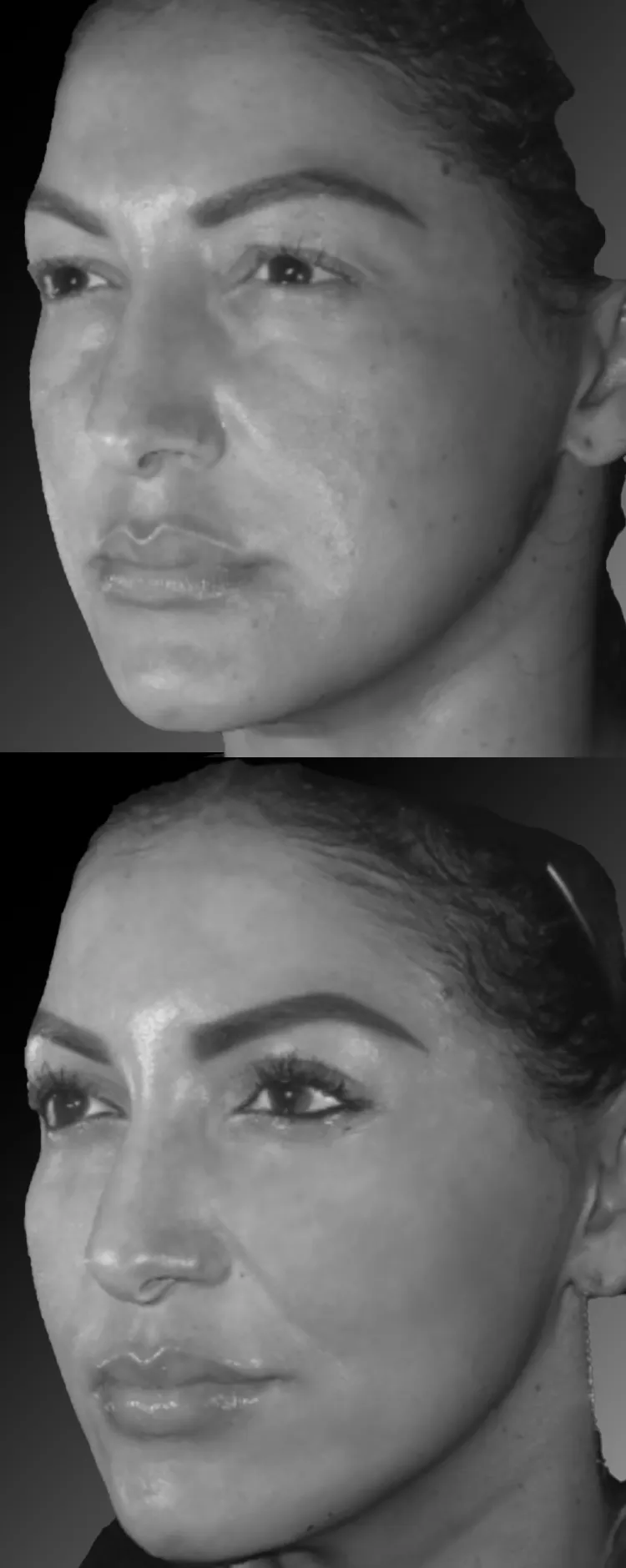
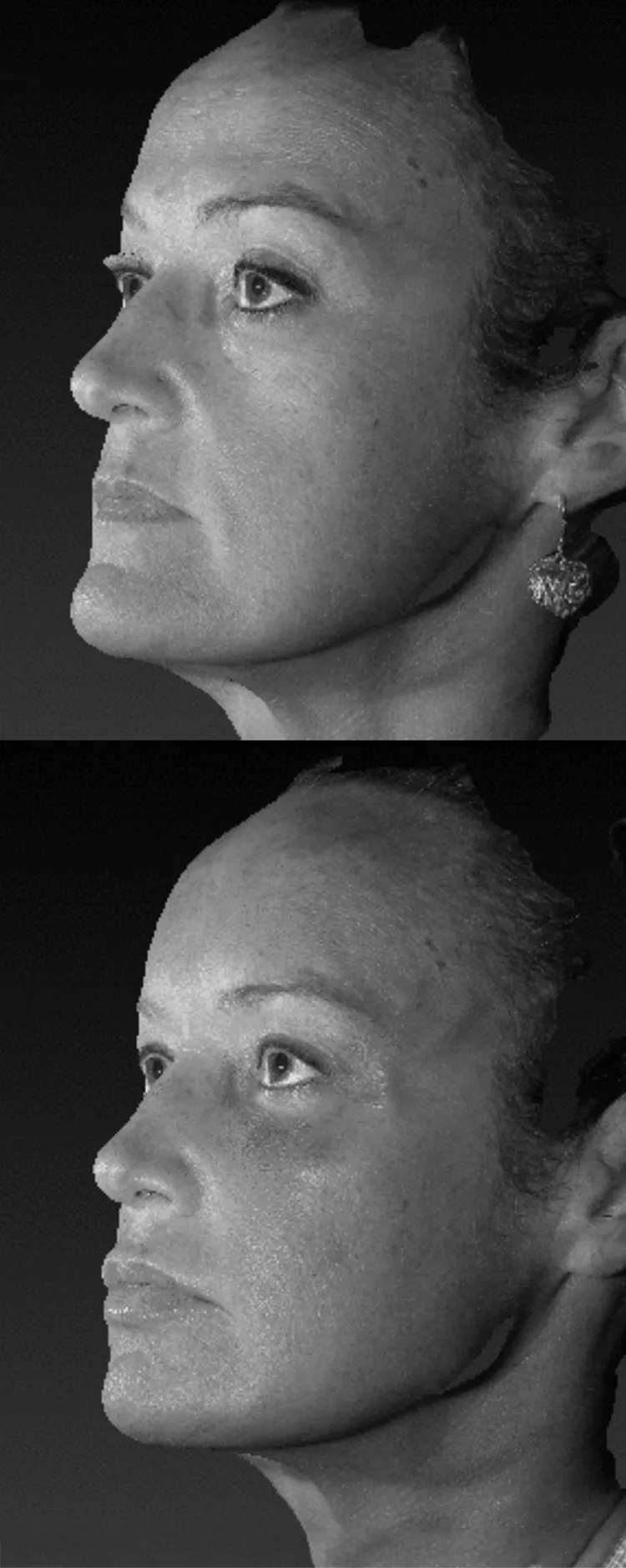
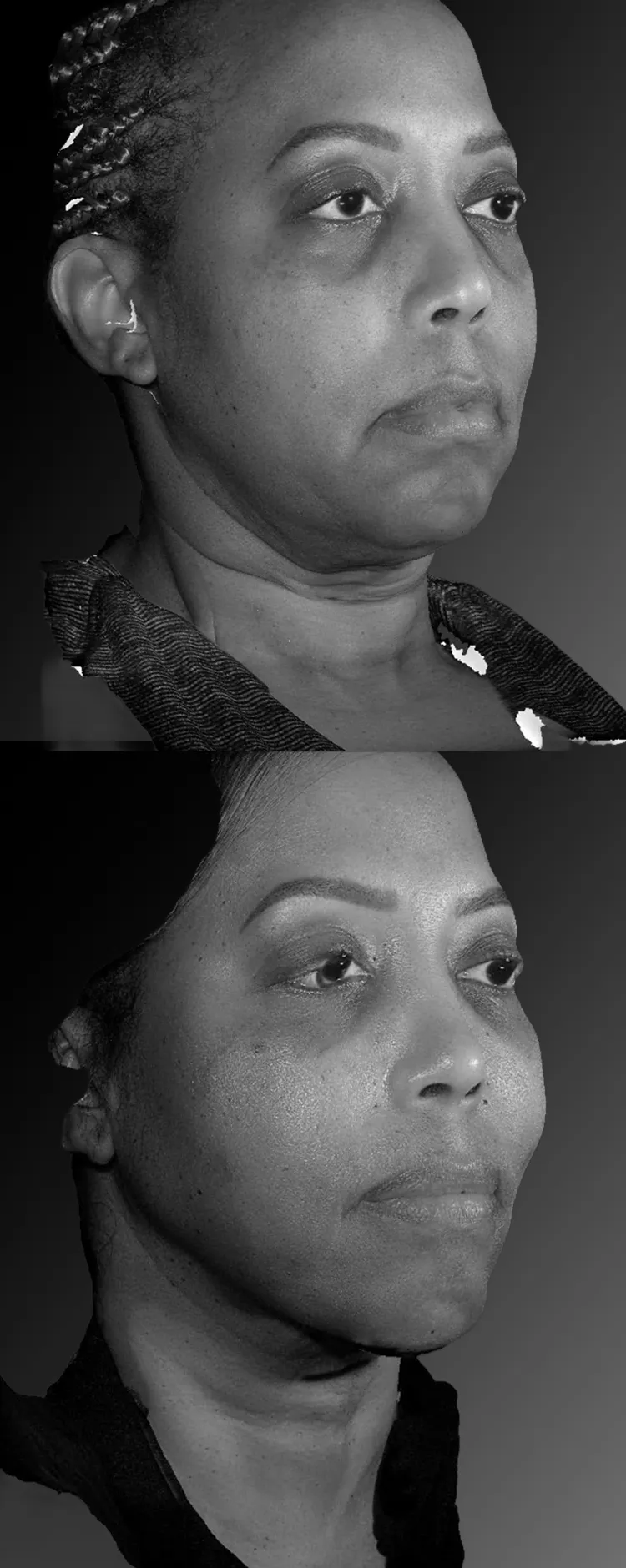
Not every patient needs surgery first. Some are earlier in the aging curve, some want targeted refinement, and some benefit from non-surgical work as an adjunct to a broader facial plan.
The key difference is that these treatments should still be guided by anatomy and structural balance rather than performed as isolated cosmetic fixes.
Precision neuromodulator planning performed by a double board-certified plastic surgeon with a deep understanding of facial anatomy and structural balance.
HA filler should support contour, proportion, and transition zones—not replace structural surgery when support and descent are the true issue.
A highly selective option for contour refinement in appropriately chosen patients who want non-surgical nasal balancing.
Genius RF and related technology can improve selected skin and soft tissue concerns as part of a broader face architecture plan.
Face rejuvenation outcomes depend not just on the procedure chosen, but on the technique, tissue handling, support strategy, and whether the plan respects how different facial regions interact.
Structural repositioning addresses deeper facial support change rather than relying on superficial pull or tightness as the main mechanism.
Strategic volume restoration can soften transitions and support more natural rejuvenation when placed with restraint and purpose.
In selected lower face and neck cases, Renuvion can serve as part of a more targeted contour and tissue-refinement strategy.
RF remodeling can help support select skin and soft tissue concerns in patients who do not yet need deeper surgical correction.
Eyelid rejuvenation requires understanding lid support, puffiness, hollowing, and transition—not simply removing tissue indiscriminately.
Chin-neck architecture may involve submental liposuction, platysmal management, and lower face support depending on the anatomy.
The most natural result is often created by coordinating deep reposition, restoration, and selective refinement rather than choosing one isolated treatment.
Non-surgical face work performed by a plastic surgeon should reflect an understanding of what can be refined and what truly requires surgery.
Facial consultation at RG Aesthetic Plastic Surgery is designed to determine what layer is actually driving the concern—skin, volume, eyelids, neck, lower face support, or deeper descent.
That distinction matters. It is often where patients realize that they do not simply need filler, or that surgery alone may not create the most complete result without restoration and refinement.
Focused on anatomy, aging pattern, support, transition zones, and realistic procedural planning.
Patients may be shown where deep plane, blepharoplasty, neck contouring, fat grafting, or non-surgical refinement each fit.
The planning process is intended to make the why behind the recommendation as clear as the procedure itself.
The goal is not a temporary aesthetic moment, but a face that remains balanced, natural, and supported over time.
These are some of the most common questions patients ask when deciding between surgery, injectables, and more complete facial planning.
That depends on what layer is changing. If the main issue is descent, jowling, facial support shift, or a softened jawline, deeper structural surgery is often the more coherent solution. If the issue is selective hollowing or transition deficits, carefully placed restoration may be appropriate.
A well-executed deep plane facelift should not make the face look pulled or overdone. The goal is to restore support and position so the face looks more rested and structurally balanced, not altered beyond recognition.
Yes. In many patients, repositioning alone does not fully address volume loss or transition deficits. Combining restoration with structural surgery can create a more complete and natural result when done thoughtfully.
That is common. Some patients are better served by blepharoplasty, a structural neck lift, submental contouring, or lower face refinement rather than a full facial surgery pathway.
In the right patient, yes. Earlier-stage aging, targeted contour concerns, and selective skin or movement issues may respond well to neuromodulators, filler, RF remodeling, or other non-surgical approaches. The key is knowing when those options fit and when they do not.
The best face rejuvenation strategy often becomes clear once support, descent, volume, eyelids, neck contour, and transition zones are evaluated together. That is the purpose of the consultation.